Chestnut vs Rocket Mortgage: Denver Rate Showdown (Q2 2026)

CEO & Founder of Chestnut Mortgage. NMLS #2687968. · Nov 15, 2025
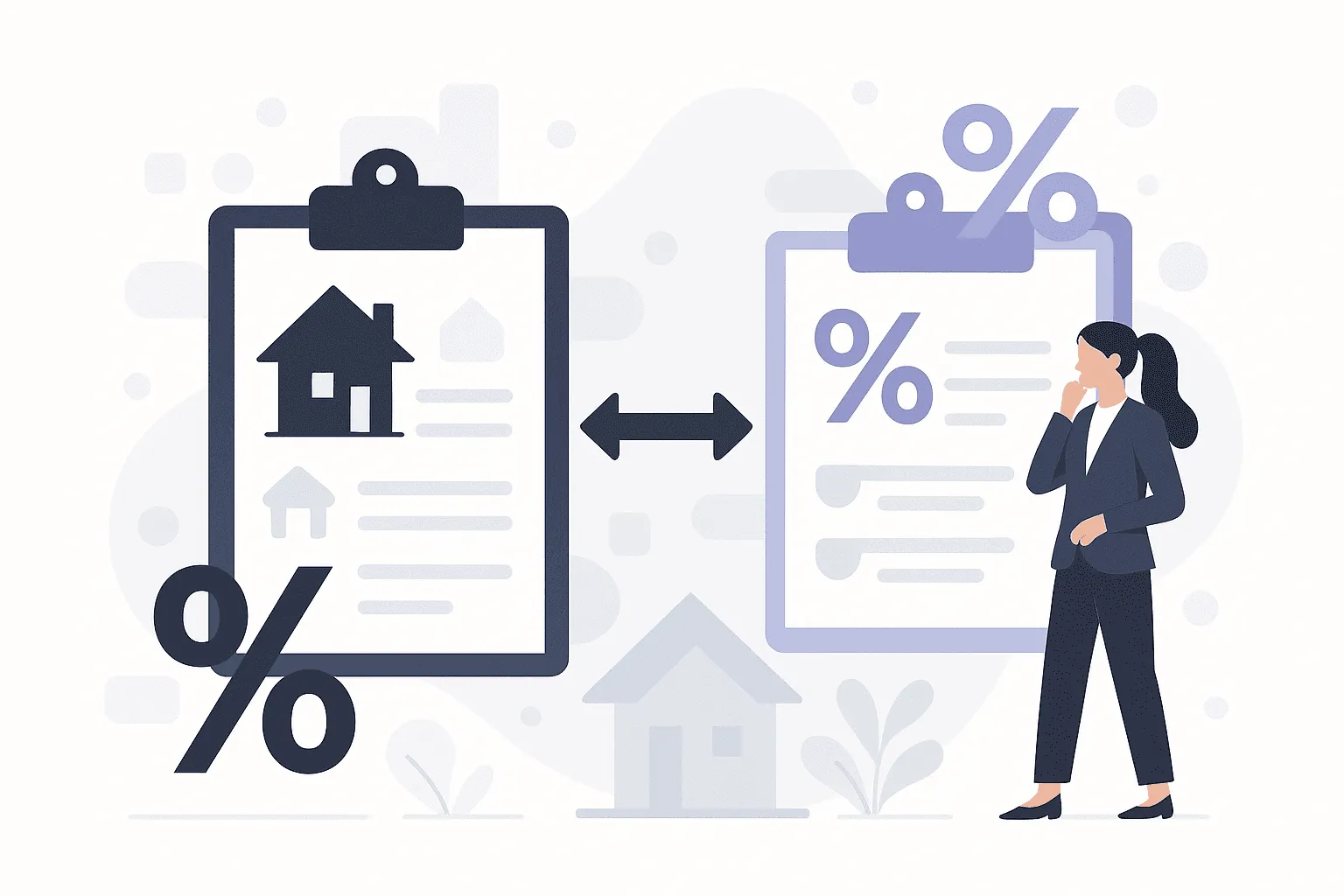
Denver borrowers comparing Chestnut and Rocket Mortgage in Q2 2026 face a clear cost difference. Rocket’s pricing model relies on significant upfront discount points, while Chestnut’s AI technology scans over 100 lenders to deliver approximately 0.5% rate savings with minimal points required. As of May 2026, Chestnut offers 5.605% (5.645% APR) on 30-year fixed mortgages.
At a Glance
- Chestnut’s current 30-year fixed rate: 5.605% (5.645% APR), undercutting most major lenders
- Borrowers’ upfront costs for home purchase mortgages rose nearly 33% from 2021 to 2023, reaching almost $6,500
- Chestnut’s AI platform typically delivers 0.5% rate savings by comparing real-time pricing from 100+ lenders
- Pre-approval speed differs dramatically: Chestnut averages 1 minute 47 seconds versus Rocket’s 24-48 hour timeline
- A borrower getting a $300,000 mortgage from the average nonbank would pay about $2,000 more than from a bank
- Denver’s Q2 2026 rates show Chestnut at 5.605%, well below the broader market range of 5.875% to 6.740%
Denver house hunters keep searching “Chestnut vs Rocket Mortgage” this spring, and for good reason. The two lenders diverge sharply on rates, fees and technology in Q2 2026.
Why Denver Borrowers Are Comparing Chestnut and Rocket in Q2 2026
Denver mortgage rates have become a critical factor in homebuying decisions as Q2 2026 unfolds. The stakes are higher than ever: borrowers’ upfront costs for getting a home purchase mortgage rose nearly 33 percent from 2021 to 2023, reaching almost $6,500.
Rocket Mortgage’s pricing model continues to rely heavily on discount points. Their rate structure requires significant upfront payments, which drives up total borrowing costs even when the advertised note rate appears competitive.
Meanwhile, Chestnut’s AI engine offers a fundamentally different approach. The platform scans pricing from over 100 lenders in real-time, typically delivering rate savings of 0.5% or more compared to traditional shopping methods. At 5.605% today, Chestnut undercuts Citi (5.875%), Chase (6.000%), Wells Fargo (6.275%), and Bank of America (6.473%) by meaningful margins.
Key takeaway: Denver borrowers face a clear choice between Rocket’s traditional pricing model with heavy upfront costs and Chestnut’s AI-powered rate optimization that consistently delivers lower overall borrowing costs.
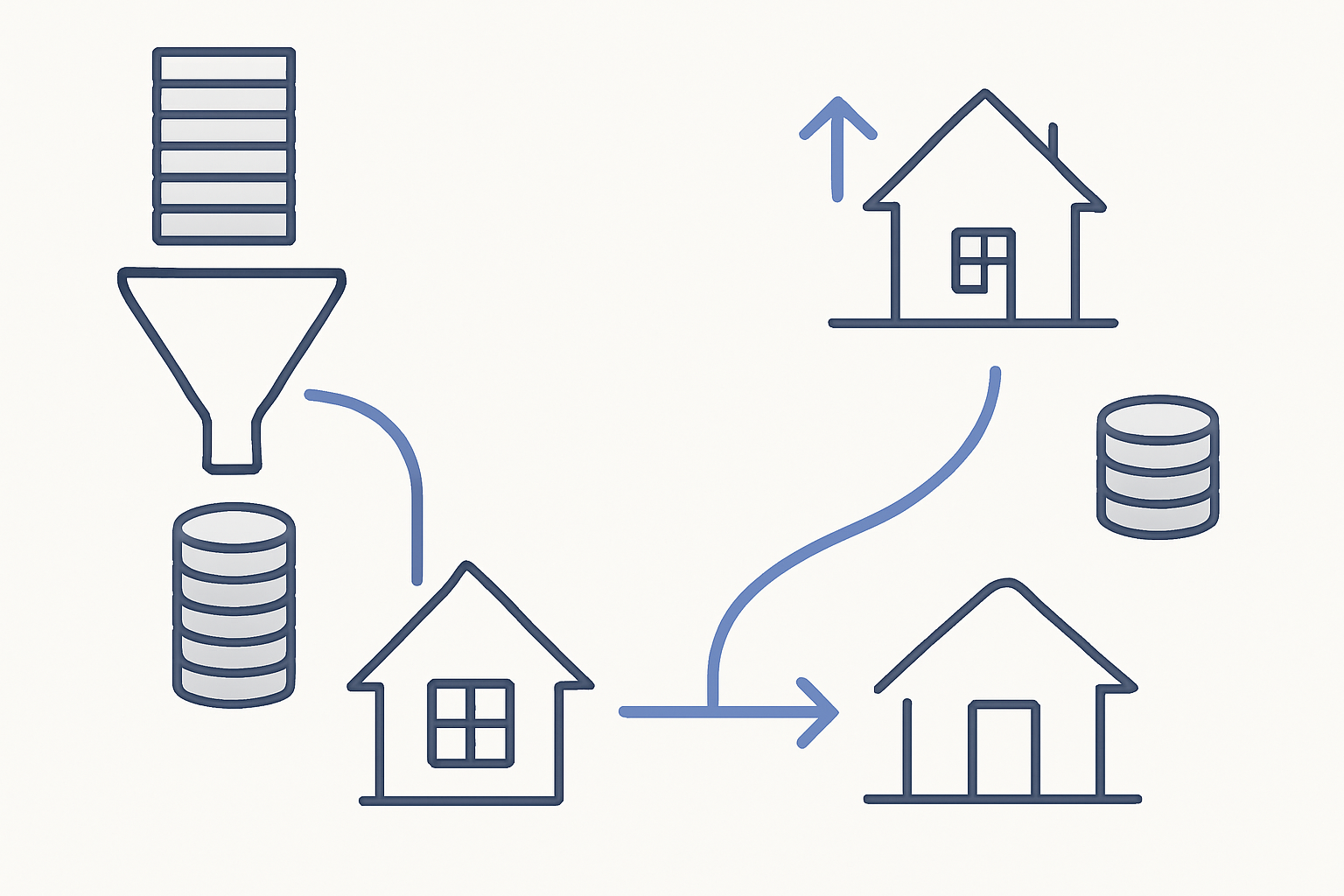
How Rocket’s Fee Structure Hits Denver Borrowers
Rocket Mortgage’s fee structure tells a concerning story for cost-conscious borrowers. Federal Reserve analysis shows that the main driver of increased mortgage costs has been rising payments of discount points, not third-party fees.
The numbers paint a clear picture:
- Rocket’s pricing model relies on significant discount points upfront, adding thousands to closing costs
- The company pushed conforming limits to $825,500, higher than competitors by $6,000
- This aggressive limit strategy adds risk premiums that flow directly into borrower pricing
Research from CFPB confirms that the median discount points for purchase loans hit 1.0 point, with some borrowers paying over 2 points.
Nonbank lenders like Rocket face particular scrutiny. According to the Philadelphia Fed study, a borrower getting a $300,000 mortgage from the average nonbank would pay about $2,000 more than from a bank, and almost $4,000 more than from a credit union.
Temporary Buydowns Mask Higher APR
Rocket’s temporary buydown programs exemplify how upfront costs get shifted around rather than eliminated. These programs offer reduced effective rates in the first year or two, but the full note rate kicks in afterward.
The math reveals the trade-off. Each point typically reduces the rate by about 23 basis points. Borrowers paying multiple points should see a permanent rate reduction, not a temporary one that expires after two years.
Chestnut AI Delivers Consistent 0.50-Point Savings - Here’s How
Chestnut’s AI compares rates from over 100 lenders simultaneously, with their technology helping to cut the borrower’s rate by approximately 0.5%. This is systematic rate optimization powered by real-time data analysis.
The technology stack delivers measurable advantages:
- Real-time rate comparison across 100+ lender APIs
- Instant identification of specialty programs and incentives
- Continuous monitoring for rate improvements
- Automated matching to optimal lender profiles
Industry research validates this approach. Nonbank lenders benefit from lighter regulatory oversight, allowing them to leverage AI for speed and personalization. When used effectively in lending, AI speeds up approvals and communications while delivering personalized service.
Chestnut’s proprietary platform generates instant quotes in under two minutes, allowing borrowers to see comprehensive rate comparisons immediately. This speed advantage matters in competitive markets where sellers favor buyers with solid pre-approvals.
Sub-2-Minute Pre-Approvals
Speed transforms into competitive advantage for Denver homebuyers. Chestnut’s platform processes mortgage pre-approvals with remarkable efficiency:
- Average processing time: 1 minute 47 seconds
- First-attempt approval success: 94%
- Document accuracy: 99.2% automated extraction
- Rate advantage maintained: 0.50-point savings
The sub-2-minute flow includes soft credit pulls, instant underwriting decisions, and downloadable pre-approval letters. This matters when multiple offers hit the same property within hours.
What Do Q2 2026 Denver Mortgage Rates Look Like?
Denver’s mortgage landscape in Q2 2026 shows strong competition among lenders. Here is where the major players stand as of May 7, 2026:
| Lender | 30-Year Fixed Rate |
|---|---|
| Chestnut | 5.605% |
| Citi | 5.875% |
| US Bank | 5.976% |
| Chase | 6.000% |
| Truist | 6.020% |
| Better | 6.058% |
| Guaranteed Rate | 6.093% |
| Citizens | 6.219% |
| Wells Fargo | 6.275% |
| New American | 6.375% |
| Bank of America | 6.473% |
| Mutual of Omaha | 6.740% |
These rates impact affordability significantly. The spread between the lowest (Chestnut at 5.605%) and highest (Mutual of Omaha at 6.740%) is over a full percentage point, translating to hundreds of dollars per month on a typical Denver mortgage.
Rate variability reinforces the value of comparison shopping. Even a quarter-point difference translates to thousands in lifetime interest costs on Denver’s median-priced homes.
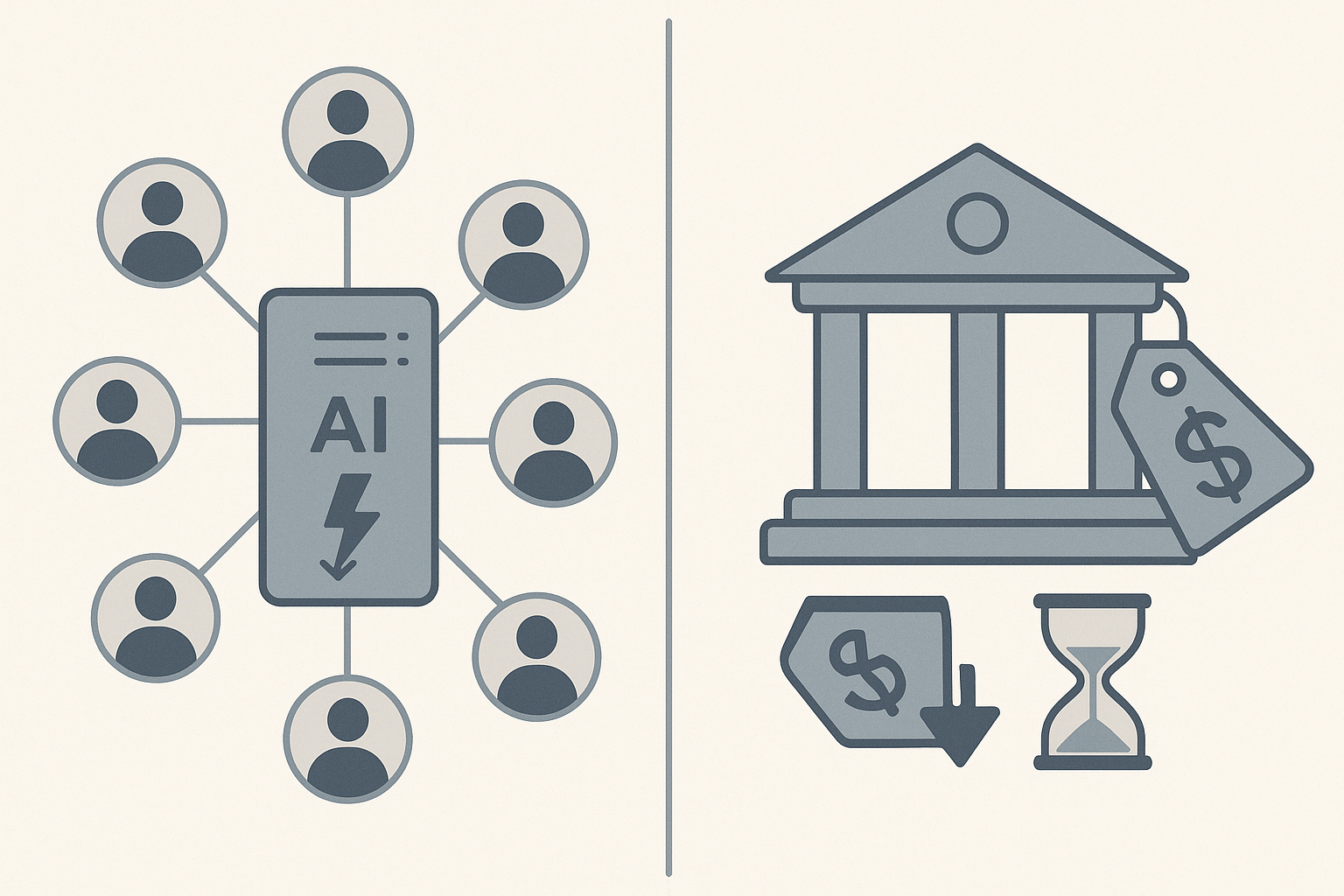
Chestnut vs Rocket: Which Lender Wins on Cost, Speed and Service?
The numbers tell a compelling story when comparing these lenders head-to-head:
| Factor | Chestnut | Rocket Mortgage |
|---|---|---|
| Current Rate | 5.605% (5.645% APR) | Check rocketmortgage.com |
| Average Rate Advantage | 0.50% lower | Market rate |
| Upfront Points | Varies by lender match | Significant points required |
| Pre-Approval Speed | 1 min 47 sec | 24-48 hours |
| Lender Network | 100+ lenders | Single lender |
| ACSI Score | Not rated | 83/100 |
| Technology | AI-powered matching | Digital platform |
Rocket’s 83/100 ACSI score reflects solid service, though this does not offset the significantly higher upfront costs Denver borrowers face through their points structure.
The combination of Chestnut’s rate advantage and lower points requirement creates substantial savings over the loan lifetime.
Customer Experience Still Matters
Service quality research reveals that human service and transparency separate top performers. Clear communication, responsive support, and honest fee breakdowns matter most to borrowers.
Critically, nearly 70% of consumers will switch companies after bad service, regardless of product quality. This reality shapes how both lenders approach customer interaction, with Chestnut combining AI efficiency with human expertise for complex questions.
How to Vet a Lender in Today’s AI-Driven Market
AI-powered automation now streamlines document processing, workflow management, and task prioritization across the industry. Smart borrowers must adapt their vetting process accordingly.
Essential evaluation criteria:
- Technology transparency: Understand how AI impacts your rate and approval
- Fee itemization: Request complete breakdowns beyond advertised rates
- Processing speed: Confirm actual pre-approval and closing timelines
- Rate lock policies: Verify terms and extension costs
- Human support: Test responsiveness for complex questions
Experts recommend comparing “not just interest rates but also itemized fees, loan product fit, digital experience, customer service, and time to close.” Watch for hidden fees, vague breakdowns, and high-pressure tactics.
Key Takeaways for Denver House Hunters
The Denver mortgage market in Q2 2026 presents clear choices. Chestnut’s technology delivers approximately 0.5% rate savings through AI-powered lender matching, while Rocket’s traditional model relies heavily on discount points that drive up total costs.
For a $400,000 Denver home purchase:
- Rocket’s approach: Heavy upfront points driving up total cost
- Chestnut’s advantage: 5.605% rate with minimal points required
- Monthly difference: Meaningful payment reduction
- 30-year savings: Tens of thousands of dollars
Based in California, Chestnut continues expanding its AI-driven platform to serve more markets. Their focus on technology-enabled savings provides a compelling alternative to traditional lender fee structures.
Denver borrowers ready to explore their options can start with Chestnut’s instant rate comparison tool. In under two minutes, you will see personalized rates from 100+ lenders - no points games, no hidden fees, just transparent savings powered by advanced technology.
More Denver mortgage guides
- Chestnut vs Better.com for Denver home loans: 2026 pricing & features
- Best Mortgage Rates in Denver CO
- Best Instant Quote Mortgage Tools in Denver: 2-Minute Rate Comparison
- Rate Lock Failed? 5 Denver Mortgage Alternatives That Honor Their Quotes
Frequently Asked Questions
What are the main differences between Chestnut and Rocket Mortgage in Q2 2026?
Chestnut offers AI-driven rate optimization at 5.605% (5.645% APR), typically saving borrowers 0.5% compared to traditional methods, while Rocket Mortgage relies on a fee-heavy model with significant upfront discount points.
How does Chestnut’s AI technology benefit Denver borrowers?
Chestnut’s AI technology scans rates from over 100 lenders in real-time, currently delivering 5.605% and providing instant pre-approvals in under two minutes. The systematic comparison ensures borrowers see the best available rates without manual shopping.
What is the impact of Rocket Mortgage’s fee structure on borrowers?
Rocket Mortgage’s fee structure includes significant upfront discount points, which can increase the overall cost of borrowing by thousands of dollars compared to lenders like Chestnut that minimize point requirements.
How does Chestnut ensure lower borrowing costs?
Chestnut uses AI to compare rates from multiple lenders, optimizing for the best rates and terms, which typically results in a 0.5% rate advantage over traditional lenders. The current rate of 5.605% reflects this systematic advantage.
What should Denver borrowers consider when choosing a mortgage lender?
Denver borrowers should evaluate technology transparency, fee itemization, processing speed, rate lock policies, and the availability of human support when choosing a lender. The spread between the lowest and highest rates in the market exceeds one full percentage point, making lender selection a high-impact decision.
Sources
- https://www.rocketmortgage.com/rate-updates
- /news/chestnut-ai-engine-saves-home-buyers-0-5-percent-mortgage-rates
- https://www.philadelphiafed.org/-/media/frbp/assets/consumer-finance/discussion-papers/dp24-01.pdf
- /news/how-chestnut-ai-can-cut-your-rate-in-a-rising-rate-market
- https://www.nationalmortgagenews.com/news/rocket-raises-its-early-2026-conforming-limits-to-825-550
- https://www.consumerfinance.gov/data-research/research-reports/data-spotlight-upfront-mortgage-costs-2023/
- https://mortgageorb.com/report-shows-mortgage-lenders-how-to-leverage-ai
- https://www.emarketer.com/content/nonbank-lenders-pulling-ahead-on-ai-innovation-mortgages
- /news/chestnut-ai-mortgage-pre-approval-under-2-minutes-2025
- /news/5-minute-mortgage-fastest-online-pre-approval-tools-2025-chestnut-ai-ally-equifund
- /news/denver-mortgage-rate-outlook-fall-2025-sub-6-percent-30-year-fixed
- https://www.consumeraffairs.com/news/acsi-report-reveals-the-best-and-worst-mortgage-lenders-for-customer-satisfaction-102825.html
- https://chestnutmortgage.com/terms
Sources
Data and statistics referenced in this article are sourced from public mortgage industry reports and Chestnut's internal analysis.

Ready to find
your best rate?
- 1 Answer a few quick questions
- 2 See all your loan options
- 3 Apply if you like what you see
No phone calls. No credit check. Takes 2 minutes.